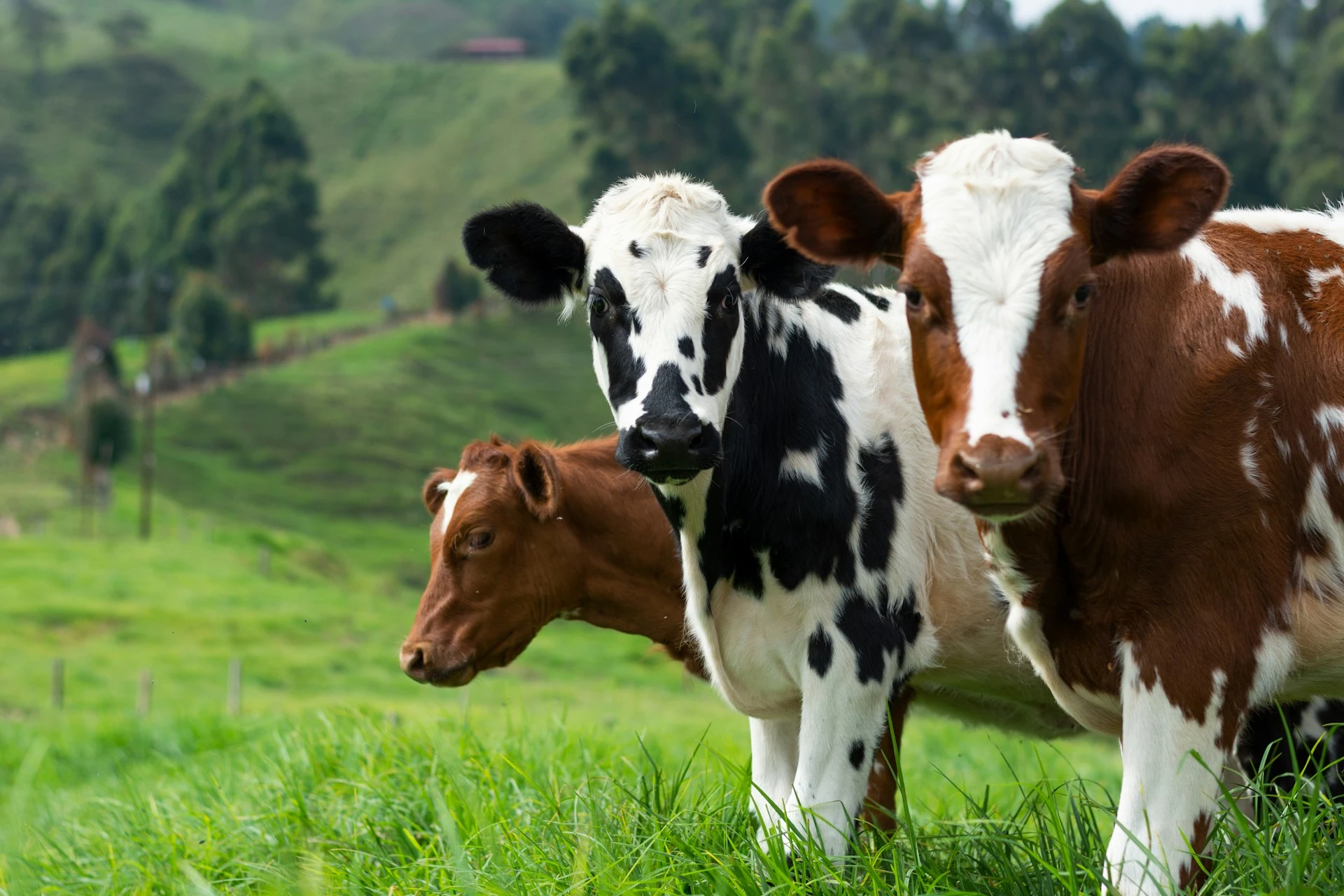

A hot afternoon in Mississippi can feel exhausting for people. Farm animals face the same rising temperatures without the ability to seek relief as easily as humans do. If you care for cattle, horses, goats, sheep, or other livestock, it’s important to understand how prolonged heat and humidity place extra demands on their bodies. At Neshoba County Animal Hospital, your trusted Philadelphia, MS veterinary clinic, helping producers reduce livestock heat stress is an important part of supporting healthy, productive animals throughout the warmest months of the year.
Heat-related illness often develops gradually, making it easy to overlook the earliest warning signs. Learning about heat stress in cattle, improving livestock care in summer, understanding how to prevent it in farm animals, and practicing effective Mississippi livestock management can help protect your animals before minor problems become medical emergencies.
What Is Livestock Heat Stress?
Livestock heat stress occurs when an animal produces more body heat than it can release. During warm weather, animals naturally rely on breathing, sweating, seeking shade, and drinking water to regulate their body temperature. When temperatures and humidity remain high, those cooling systems become less effective.
As body temperature rises, normal functions begin to change. Feed intake may decrease, activity levels often drop, and animals may become less productive. If overheating continues, serious health complications can develop.
Heat stress is not limited to unusually hot days. Several moderately warm, humid days in a row can also create challenging conditions, especially when nighttime temperatures remain elevated, and animals have little opportunity to cool down.
Which Farm Animals Are Most at Risk?
Nearly every species of livestock can develop heat-related illness under the right conditions.
Animals that may be more susceptible include:
- Young animals
- Senior animals
- Pregnant or nursing females
- Overweight animals
- Animals with thick coats
- Livestock with underlying medical conditions
Even healthy adult animals can struggle during periods of prolonged heat if shade, ventilation, or water are limited.
One useful fact is that humidity often creates more difficulty than temperature alone. When the air is already full of moisture, sweat evaporates more slowly, making it harder for many animals to cool themselves naturally.
Recognizing Early Signs of Heat Stress in Cattle
Recognizing heat stress in cattle early allows you to respond before the condition worsens.
Watch for:
- Increased breathing rate
- Open-mouth breathing
- Excessive salivation
- Reduced feed intake
- Standing instead of lying down
- Gathering near water sources
- Seeking shade
- Reduced activity
As overheating worsens, cattle may become weak, stagger while walking, or even collapse.
Because cattle often hide discomfort until illness becomes significant, observing your herd several times throughout the day during hot weather is a valuable management habit.
Other Livestock Can Also Overheat
Although cattle often receive the most attention, horses, goats, sheep, pigs, poultry, and other farm animals are also vulnerable to livestock heat stress.
Horses may sweat heavily, breathe rapidly, or seem reluctant to exercise.
Goats and sheep frequently seek shaded areas and become less active during the hottest parts of the day.
Pigs have a very limited ability to sweat, making access to cool environments especially important.
Poultry often pant with open beaks and hold their wings away from their bodies to improve airflow when temperatures rise.
Each species cools itself differently, but they all benefit from thoughtful warm-weather management.
Water Is Your Animals’ Best Defense
Fresh, clean water is one of the most effective tools for preventing heat stress in farm animals.
During hot weather, livestock may drink substantially more water than usual. Water sources should be checked frequently throughout the day to confirm they remain clean, cool, and functioning properly.
Animals should never have to compete excessively for access to water. If multiple animals gather around a single water source, consider whether additional watering locations would improve access.
A helpful habit is checking water troughs daily for algae, debris, or mechanical problems that may reduce water quality or availability.
Shade and Airflow Make a Big Difference
Providing shade is one of the simplest improvements you can make during Mississippi’s warm season.
Trees, shelters, and properly designed shade structures help reduce direct sun exposure while allowing animals to cool down naturally.
Air movement is equally important. Natural breezes and well-ventilated barns help carry heat away from the body, improving comfort even when temperatures remain high.
When possible, avoid overcrowding because closely grouped animals generate additional body heat and reduce airflow around one another.
Adjust Feeding and Activity During Hot Weather
Animals naturally become less active during the hottest part of the day.
Planning routine handling, transportation, and other activities during the cooler morning or evening hours reduces unnecessary stress on the body.
Feeding schedules may also be adjusted based on veterinary and nutritional recommendations. Some livestock consume feed more comfortably during cooler parts of the day, helping maintain better intake during periods of prolonged heat.
One interesting fact is that digestion itself produces body heat. Eating during cooler hours may help some animals remain more comfortable than consuming large meals during peak afternoon temperatures.
How Does Heat Stress Affect Animal Health?
The effects of livestock heat stress go beyond making animals uncomfortable. Prolonged overheating places extra demands on nearly every body system.
As body temperature rises, livestock often eat less, drink more, and conserve energy by reducing activity. Over time, this may affect growth, body condition, milk production, reproductive performance, and immune function.
Heat stress can also make animals more vulnerable to illness. When the body is working hard to regulate temperature, fewer resources are available to fight infections or recover from minor health challenges.
For pregnant animals and young livestock, maintaining normal body temperature is especially important because they have additional nutritional and physical demands.
Simple Livestock Summer Care Habits That Make a Difference
Good summer care for livestock doesn’t have to be complicated. Small management changes often provide meaningful benefits during Mississippi’s warmest months.
Consider these practical strategies:
- Check water sources several times each day.
- Provide access to natural or constructed shade.
- Schedule handling, transportation, and veterinary procedures during cooler hours.
- Reduce unnecessary stress whenever possible.
- Observe animals closely after periods of extreme heat.
- Maintain clean, dry resting areas.
- Monitor feed intake every day.
These habits become even more valuable during stretches of high humidity when animals have a harder time cooling themselves naturally.
Planning for Heat Waves
Weather forecasts provide an opportunity to prepare before temperatures become extreme.
If several hot days are expected, inspect water systems, clean troughs, and confirm that shade structures remain secure. Walking through pastures before a heat wave also helps you identify areas where additional shade or improved airflow could benefit your animals.
Planning reduces the need for last-minute adjustments and helps create a more comfortable environment before animals begin experiencing heat stress.
A useful fact is that livestock may continue to feel the effects of hot weather even after temperatures begin to fall in the evening. Consecutive warm nights can prevent animals from fully recovering before the next day’s heat arrives.
When Should You Call a Veterinarian?
Despite excellent management, some animals still develop serious heat-related illness.
Contact your veterinarian immediately if you notice:
- Collapse
- Difficulty standing
- Open-mouth breathing that doesn’t improve
- Muscle tremors
- Refusal to drink water
- Severe weakness
- Neurological changes
- Persistent depression or inability to rise
These symptoms require prompt veterinary evaluation because overheating can quickly affect multiple organs.
Even if only one animal appears ill, it is wise to monitor the rest of the herd. Environmental conditions affecting one animal may soon affect others as well.
Why Preventive Veterinary Care Supports Mississippi Livestock Management
Effective Mississippi livestock management involves much more than treating illness after it occurs.
Routine veterinary visits help identify management opportunities that support healthier animals throughout the year. During wellness consultations, your veterinarian may discuss:
- Nutrition
- Vaccination programs
- Parasite control
- Water availability
- Housing and ventilation
- Biosecurity
- Seasonal health risks
Developing a preventive plan tailored to your farm allows you to respond more confidently as weather conditions change.
Strong veterinary partnerships also make it easier to receive prompt guidance if heat-related illness or other health concerns develop during the summer.
The University of Wisconsin-Madison has a good article on keeping cattle cool. The USDA also weighs in on keeping your cattle cool.
Frequently Asked Questions
What are the first signs of livestock heat stress?
Early signs of livestock heat stress include rapid breathing, increased water consumption, reduced feed intake, seeking shade, excessive salivation, and decreased activity. Recognizing these changes early allows you to improve cooling conditions and contact your veterinarian if symptoms continue to worsen.
Daily observation is one of the best ways to detect these subtle changes before animals become seriously ill.
How can I help prevent heat stress in farm animals?
Preventing heat stress in farm animals starts with providing constant access to clean water, adequate shade, good ventilation, and minimizing handling during the hottest parts of the day. Monitoring animals closely during prolonged hot weather also helps identify problems early.
Simple adjustments to feeding schedules and daily routines can further reduce stress during Mississippi’s long, warm summers.
Why is livestock summer care so important?
Good livestock summer care supports normal hydration, feed intake, comfort, and overall health during periods of prolonged heat. Animals that remain cooler are generally better able to maintain body condition, resist illness, and recover after warm weather.
Routine veterinary care and thoughtful management practices work together to keep your herd healthier throughout the season.
Visit Our Philadelphia, MS Veterinary Clinic for Livestock Health Services
Warm weather is part of life in Mississippi, but thoughtful management can help your animals stay healthier and more comfortable throughout the season. Focusing on livestock heat stress, improving summer care for livestock, and preventing heat stress in farm animals are valuable investments in the well-being of your herd. If you’ve been searching for a trusted Philadelphia, MS, veterinary clinic or looking online for a “vet near me,” schedule a herd health consultation with Neshoba County Animal Hospital. Our experienced veterinary team is here to support your livestock with practical guidance and compassionate bovine and large animal veterinary care throughout every season.
This blog is intended for informational purposes only and should not replace professional veterinary advice. Always consult your veterinarian for an accurate diagnosis, treatment recommendations, and the most appropriate health plan for your livestock.
If you are interested in learning more about our animal hospital, start by visiting our Service page. You’ll find more information on who we are and what we do. We provide a variety of services, including Wellness and Vaccines, Dentistry, Boarding and Grooming, and more.