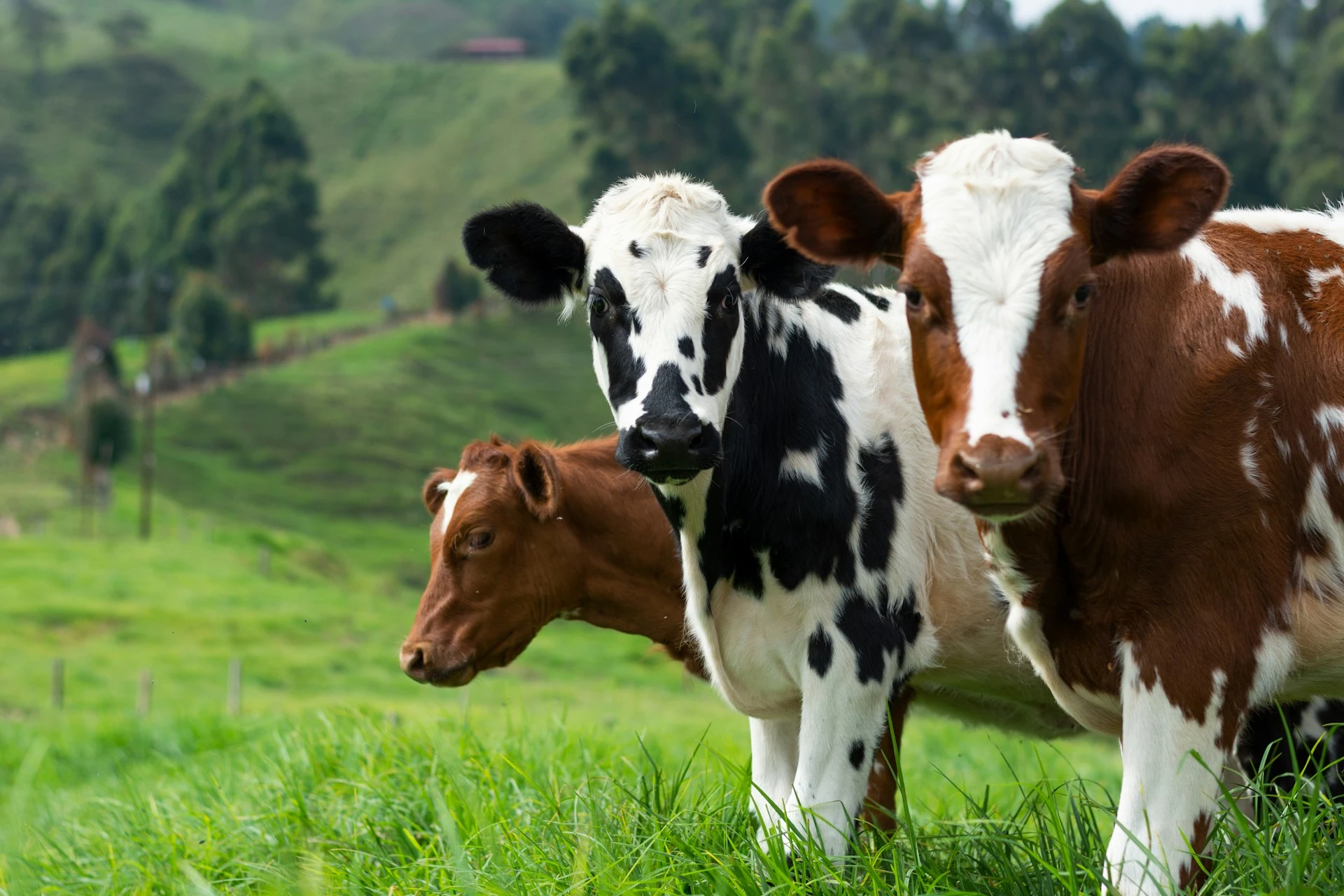



A healthy calf is usually eager to nurse or eat, curious about its surroundings, and ready to explore. When a calf suddenly loses interest in food, it often signals that something isn’t quite right. Whether you’re raising a single bottle calf or caring for a growing herd, recognizing this change early can make a meaningful difference. At Neshoba County Animal Hospital, your trusted Philadelphia, MS veterinary clinic, we’re here to help! Evaluating a calf that is not eating is an important part of protecting both individual animals and the overall herd health.
A reduced appetite is a symptom rather than a diagnosis. Calf loss of appetite may occur due to illness, digestive problems, stress, pain, or environmental factors. Learning to recognize sick calf symptoms, understanding the basics of newborn calf health, and knowing when to seek veterinary care for cattle can help you respond quickly and confidently when your young animal isn’t acting like itself.
Is It Normal for a Calf to Skip a Meal?
Healthy calves are generally enthusiastic eaters. Missing one feeding or nursing less than usual should never be dismissed without paying close attention.
Occasionally, a temporary change in appetite may occur after transport or a change in routine management. However, if your calf refuses multiple feedings, appears weak, or develops additional symptoms, veterinary attention is recommended.
Young calves have fewer energy reserves than adult cattle, so prolonged decreases in food intake can lead to dehydration and weakness much more quickly.
Why Is My Calf Not Eating?
There are many possible reasons a calf may not eat, and some are more serious than others.
Common causes include:
- Digestive upset
- Respiratory infections
- Fever
- Dehydration
- Parasites
- Mouth injuries
- Stress
- Poor-quality milk or feed
- Sudden diet changes
- Umbilical infections in newborns
Determining the underlying cause is important because treatment depends on the specific problem affecting the calf.
One helpful fact is that calves often become quieter before they completely lose interest in eating. Spending a few minutes observing their behavior every day can help you notice subtle changes early.
Digestive Problems Often Affect Appetite
The digestive system is still developing during the first weeks and months of life. Because of this, calves can be sensitive to changes in feeding schedules, milk temperature, or diet.
Digestive conditions that may reduce appetite include:
- Scours (diarrhea)
- Bloat
- Indigestion
- Constipation
- Sudden feed changes
Scours are one of the most common illnesses affecting young calves. In addition to calf loss of appetite, you may notice loose manure, dehydration, weakness, or a rough hair coat.
Prompt treatment is especially important because young calves can lose fluids rapidly.
Respiratory Disease Is Another Common Cause
Respiratory infections don’t always begin with coughing.
A calf may first appear quieter than normal or simply stop eating well. As illness progresses, additional symptoms often become more noticeable.
Watch for:
- Coughing
- Nasal discharge
- Rapid breathing
- Fever
- Drooping ears
- Watery eyes
- Reduced activity
Respiratory disease can spread quickly among young animals, making early recognition valuable for protecting the rest of the group.
Good ventilation, clean housing, and minimizing stress all support healthier lungs and immune function.
Newborn Calf Health Begins Soon After Birth
The first hours of life play a major role in the health of newborn calves.
Calves rely on colostrum, the first milk produced after birth, to receive antibodies that help protect against disease. Without adequate colostrum intake, calves are more vulnerable to infections during the first weeks of life.
Beyond nutrition, newborn calves benefit from:
- A clean, dry environment
- Prompt nursing
- Careful monitoring
- Clean bedding
- Proper umbilical care
A newborn calf that refuses to nurse should always be evaluated promptly because early intervention often leads to better outcomes.
Stress Can Reduce a Calf’s Appetite
Not every change in appetite is caused by disease.
Stress associated with transportation, weaning, weather changes, overcrowding, or handling can temporarily reduce feed intake.
Young calves adapt better when changes happen gradually. Maintaining consistent feeding schedules and providing comfortable housing helps reduce unnecessary stress.
Even so, stress can also make calves more susceptible to illness, so decreased appetite should still be monitored carefully.
What Other Sick Calf Symptoms Should You Watch For?
A reduced appetite rarely occurs alone. Looking at the whole calf, rather than focusing only on feeding behavior, provides a clearer picture of overall health.
Common sick calf symptoms include:
- Diarrhea
- Weakness
- Depression
- Fever
- Sunken eyes
- Rapid breathing
- Coughing
- Swollen joints
- Difficulty standing
- Rough hair coat
When several symptoms appear together, prompt veterinary evaluation becomes even more important.
One interesting fact is that healthy calves are naturally curious. A calf that no longer responds to people, sounds, or herd activity often signals that something more significant is developing.
How Can You Tell if a Calf Is Dehydrated?
Dehydration often develops alongside loss of appetite in the calf, especially if diarrhea is also present. Young calves lose fluids much more quickly than adult cattle, making early recognition especially important.
Signs that may indicate dehydration include:
- Sunken eyes
- Dry nose or mouth
- Skin that returns slowly when gently pinched
- Weakness
- Less frequent nursing or drinking
- Reduced urination
A dehydrated calf may appear tired and reluctant to stand. Because dehydration can worsen rapidly, contacting your veterinarian early is the safest approach if you suspect your calf is losing fluids.
What Should You Do if Your Calf Stops Eating?
The first step is to observe your calf, but seek veterinary care if serious symptoms are present.
Ask yourself a few questions:
- Is the calf alert or unusually quiet?
- Is it nursing or drinking anything?
- Is diarrhea present?
- Is breathing normal?
- Does it have a fever?
- Is it walking comfortably?
- Have there been any recent feed or environmental changes?
These observations provide valuable information for your veterinarian and may help narrow down the possible causes.
Avoid making multiple sudden changes in management while trying to encourage eating. Maintaining a calm environment and following your veterinarian’s recommendations is often the most helpful approach.
How Does a Veterinarian Diagnose the Cause?
Because many illnesses begin with a reduced appetite, diagnosing the reason behind a calf not eating requires a complete evaluation.
Your veterinarian may perform:
- A thorough physical examination
- Temperature assessment
- Evaluation of hydration status
- Listening to the heart and lungs
- Examination of the mouth and umbilical area
- Fecal testing when appropriate
- Blood testing is indicated
These findings help determine whether the problem involves infection, digestion, nutrition, or another medical condition.
One useful fact is that calves often compensate for illness until they can no longer do so. This means early veterinary evaluation may identify problems before they become much more serious.
Can Good Management Help Prevent Appetite Problems?
Many common illnesses affecting young calves can be reduced through thoughtful daily management.
Strong newborn calf health begins with attentive care from birth and continues through every stage of development.
Helpful management practices include:
- Providing adequate colostrum shortly after birth
- Keeping feeding schedules consistent
- Cleaning bottles, buckets, and feeding equipment thoroughly
- Maintaining clean, dry bedding
- Providing appropriate ventilation
- Avoiding overcrowding
- Monitoring calves every day
Regular observation remains one of the best preventive tools. Becoming familiar with each calf’s normal behavior allows you to recognize subtle changes before illness becomes advanced.
Why Routine Bovine Veterinary Care Matters
Preventive medicine is just as valuable for cattle as it is for companion animals.
Routine bovine veterinary care supports healthy growth, improves disease prevention, and identifies management opportunities that benefit the entire herd.
Your veterinarian may provide guidance on:
- Vaccination schedules
- Parasite control
- Nutrition
- Calving management
- Biosecurity
- Growth monitoring
- Herd health planning
Whether you raise a few backyard cattle or manage a larger operation, developing a relationship with your veterinary team provides valuable support throughout the year.
Justanswer has a piece on calves that won’t eat. Farmers’ Weekly also offers tips on getting a calf to suckle.
Frequently Asked Questions
Why is my calf not eating?
A calf not eating may be experiencing digestive illness, respiratory disease, dehydration, stress, fever, or another medical condition. Because young calves have limited energy reserves, a reduced appetite should always be closely monitored and promptly evaluated if additional symptoms develop.
Your veterinarian can determine the underlying cause and recommend the most appropriate treatment plan.
What are the first sick calf symptoms?
Early sick calf symptoms often include reduced appetite, decreased nursing, diarrhea, weakness, coughing, fever, drooping ears, or unusual quietness. These changes may appear before a more severe illness becomes obvious.
Observing calves daily helps identify these early warning signs and allows treatment to begin sooner when needed.
When should I call a veterinarian if my calf won’t eat?
You should contact your veterinarian if your calf refuses multiple feedings, becomes weak, develops diarrhea, has difficulty breathing, shows signs of dehydration, or appears depressed. Young calves can become seriously ill quickly, making early veterinary evaluation especially important.
Prompt care often improves recovery and helps protect the health of other calves in the herd.
Visit Our Philadelphia, MS Veterinary Clinic for Bovine Veterinary Care
A healthy appetite is one of the best indicators of a healthy calf. If you notice a calf not eating, don’t ignore the change. Recognizing a calf’s loss of appetite, watching for signs of illness, and supporting strong newborn calf health can help your young animals get the care they need before a small problem becomes a larger one. If you’ve been searching for a trusted Philadelphia, MS veterinary clinic or looking online for a “cattle veterinarian near me” or “vet near me,” schedule an evaluation with Neshoba County Animal Hospital. Our experienced veterinary team is here to provide compassionate bovine veterinary care for calves and cattle at every stage of life.
This blog is intended for informational purposes only and should not replace professional veterinary advice. Always consult your veterinarian for an accurate diagnosis, treatment recommendations, and the most appropriate care plan for your calf or herd.
If you are interested in learning more about our animal hospital, start by visiting our Service page. You’ll find more information on who we are and what we do. We provide a variety of services, including Wellness and Vaccines, Dentistry, Boarding and Grooming, and more.