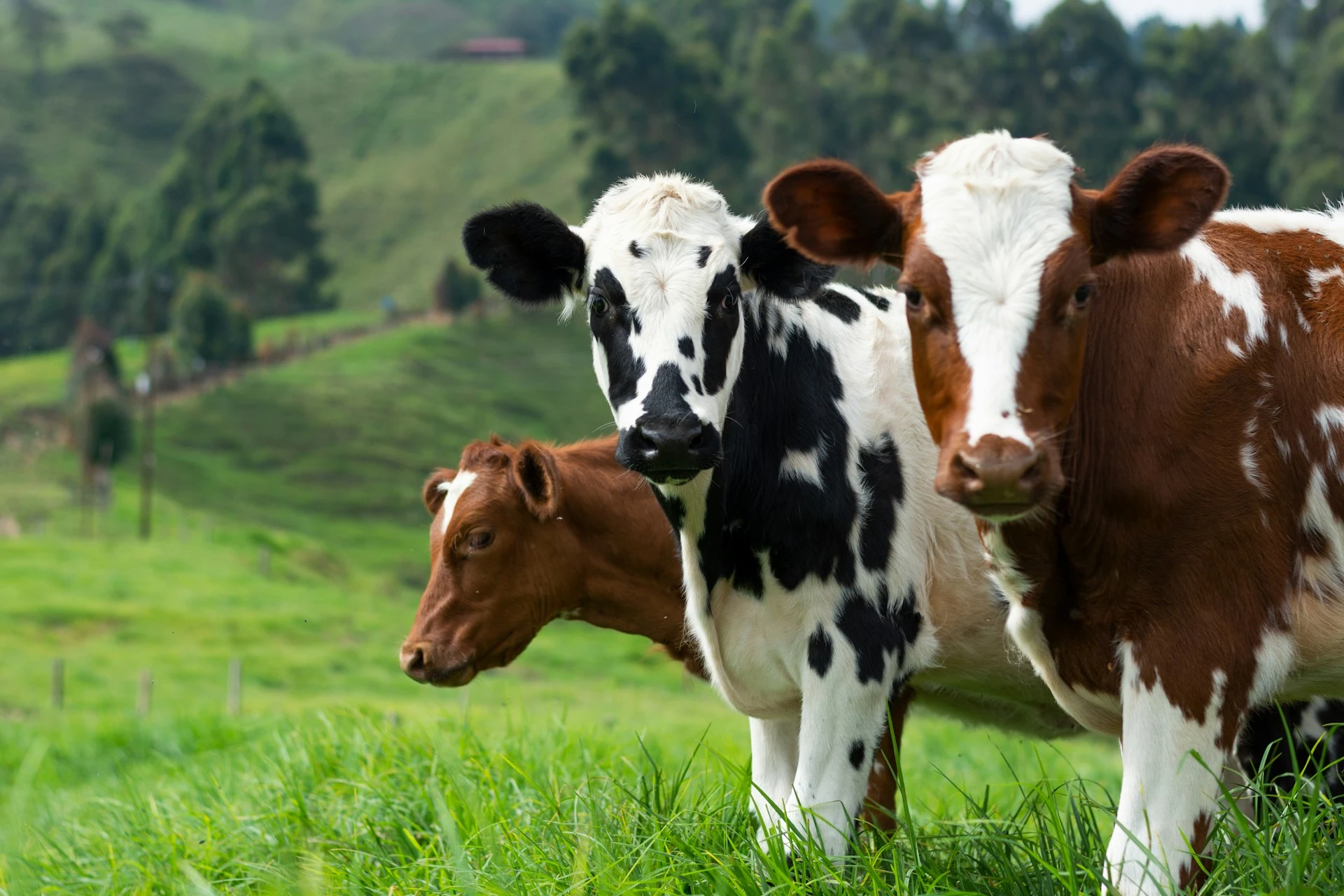
Healthy cattle are naturally curious, alert, and creatures of habit. That makes even small changes in behavior worth noticing. If one of your cows suddenly hangs back from the herd, skips a meal, or seems less interested in its surroundings, it could be the first clue that something isn’t right. At Neshoba County Animal Hospital, your trusted Philadelphia, MS, veterinary clinic, protecting cattle health is an important part of helping local farms and small-acreage owners keep their herds thriving.
Whether you own one family milk cow or manage a growing herd, recognizing early signs of illness in cattle often makes treatment more effective and helps reduce the spread of disease. Understanding the signs of illness in cows, practicing good backyard cattle care, and knowing when it’s time to contact a cattle veterinarian near me can make a significant difference in your animals’ health and productivity.
Why Early Detection Is So Important
Cattle are prey animals, which means they naturally hide illness whenever possible. In the wild, showing weakness could make an animal more vulnerable to predators. Although today’s cattle live in much safer environments, those instincts remain strong.
By the time obvious illness develops, a disease may already be well established. Catching subtle changes early gives your veterinarian more options for diagnosis and treatment while helping protect the rest of the herd.
One helpful habit is spending a few quiet minutes observing your cattle every day. Watching how they eat, walk, interact, and rest makes it easier to recognize when something changes.
1. Changes in Appetite or Rumination
One of the earliest signs of illness in cows is often a reduced appetite.
Healthy cattle spend a large portion of the day grazing, eating hay, or chewing their cud. A cow that refuses feed, stops chewing its cud, or separates itself during feeding time deserves closer attention.
You may notice:
- Eating less than usual
- Leaving favorite feeds untouched
- Chewing cud less frequently
- Drinking less water
- Standing quietly while the rest of the herd eats
Reduced appetite may be associated with digestive disorders, fever, pain, infections, metabolic disease, or many other medical conditions.
A useful fact is that rumination plays an essential role in digestion. Adult cattle normally spend several hours each day chewing their cud, helping break down fibrous plant material that would otherwise be difficult to digest.
2. Limping or Difficulty Walking
Changes in mobility should never be ignored.
Lameness may develop because of hoof injuries, overgrown hooves, foot rot, joint infections, arthritis, injuries, or abscesses. Even mild limping can reduce feed intake and affect overall well-being if left untreated.
Watch for cattle that:
- Walk slowly
- Favor one leg
- Reluctantly stand
- Lie down more often than usual
- Have swollen joints or feet
- Appear stiff when first getting up
Early veterinary evaluation often prevents small hoof problems from becoming much more serious.
Keeping walking areas clean and reducing prolonged exposure to muddy conditions may also help lower the risk of certain hoof diseases.
3. Coughing, Nasal Discharge, or Labored Breathing
Respiratory disease remains one of the more common health concerns affecting cattle of all ages.
A healthy cow should breathe comfortably while resting. Persistent coughing, noisy breathing, or thick nasal discharge may indicate a respiratory infection or another underlying illness.
Some additional warning signs include:
- Rapid breathing
- Fever
- Droopy ears
- Watery eyes
- Loss of appetite
- Depression
- Reluctance to move
Young calves can be especially susceptible because their immune systems are still developing.
Environmental factors such as poor ventilation, overcrowding, transportation stress, or sudden changes in weather may also contribute to respiratory illness.
4. Changes in Behavior or Energy Level
You know your cattle better than anyone else.
Some animals naturally lead the herd while others are quieter, but sudden personality changes often deserve attention.
A normally social cow that begins standing alone may not simply be having an “off day.” Likewise, an active animal that suddenly becomes unusually quiet may be experiencing discomfort.
Behavioral changes can include:
- Isolating from the herd
- Sleeping more than usual
- Reduced curiosity
- Reluctance to move
- Head carried lower than normal
- Less interaction with calves or herd mates
Because cattle often hide illness, these subtle behavioral differences sometimes appear before obvious physical symptoms develop.
5. Diarrhea or Other Digestive Problems
Digestive health plays a major role in overall cattle health.
Occasional manure changes can occur after diet transitions, but persistent diarrhea, bloating, constipation, or abdominal discomfort should not be overlooked.
Digestive problems may result from:
- Dietary changes
- Parasites
- Bacterial infections
- Viral disease
- Toxic plants
- Hardware disease
- Metabolic disorders
Calves are particularly vulnerable to dehydration from diarrhea because they have smaller body reserves than adult cattle.
Providing clean water and maintaining consistent feeding practices helps support healthy digestion throughout the herd.
How Can You Monitor Cattle Health Every Day?
Daily observation is one of the most valuable tools for maintaining good cattle health. You don’t need specialized equipment to notice when something seems different. Spending a few minutes watching your herd during feeding or turnout can help you spot subtle changes before they become major problems.
Pay attention to each animal’s normal habits. Healthy cattle are generally alert, interested in their surroundings, and eager to eat. When you know what is normal for your herd, unusual behavior becomes much easier to recognize.
Look for changes in:
- Appetite and water intake
- Movement and posture
- Breathing
- Manure consistency
- Body condition
- Social interaction
- Coat quality
- Eye and nose discharge
Keeping simple health records can also be helpful. Writing down changes in appetite, weight, calving dates, vaccinations, or treatments makes it easier to recognize patterns and provide your veterinarian with valuable information if a problem develops.
Good Backyard Cattle Care Starts With Prevention
Excellent backyard cattle care is about more than responding to illness. Preventive management helps reduce many common health concerns before they begin.
Provide clean, fresh water every day and inspect water sources regularly. Dirty water troughs can discourage drinking and contribute to health problems, especially during Mississippi’s warm weather.
Nutrition is equally important. Feeding a balanced diet appropriate for your cattle’s age, production stage, and activity level supports healthy immune function and overall well-being.
Routine preventive care should also include:
- Vaccinations recommended by your veterinarian
- Parasite control
- Hoof care when needed
- Clean, dry areas for resting
- Safe fencing and pastures
- Routine veterinary wellness visits
One interesting fact is that cattle spend many hours every day lying down to rest and chew their cud. Comfortable resting areas help support both digestion and overall health.
Should You Isolate a Sick Cow?
If you notice one animal showing sick cattle symptoms, separating it from the rest of the herd may be appropriate while you contact your veterinarian.
Isolation helps reduce the spread of contagious diseases and allows you to monitor the affected animal more closely. It also makes it easier to observe appetite, water intake, manure production, and behavior without competition from herd mates.
The isolation area should provide:
- Easy access to clean water
- Appropriate feed
- Shade and shelter
- Dry footing
- Minimal stress
Continue monitoring the rest of the herd as well. Some diseases affect multiple animals before obvious signs appear.
When Should You Call a Veterinarian?
Knowing when to seek professional help is one of the most important parts of responsible cattle ownership.
Contact your veterinarian promptly if a cow has:
- Difficulty breathing
- Persistent diarrhea
- Refuses food for an extended period
- Severe lameness
- High fever
- Bloody discharge
- Difficulty calving
- Collapse
- Neurological signs such as stumbling or circling
Waiting to see if serious symptoms improve on their own may allow illness to progress and affect additional animals.
If you’ve searched online for a cattle veterinarian near me, having an established relationship with a local veterinary team makes it easier to receive timely guidance when problems arise.
Routine Veterinary Care Protects the Whole Herd
Preventive veterinary visits benefit more than individual animals. They also support the long-term health of your entire herd.
Routine herd health consultations allow your veterinarian to evaluate nutrition, vaccination protocols, parasite management, breeding programs, and overall management practices. Small adjustments can often improve herd health while reducing the likelihood of future disease outbreaks.
Whether you own a few backyard cattle or a larger operation, regular veterinary guidance helps you make informed decisions throughout the year.
Cornell University College of Veterinary Medicine has a helpful article about farm animal sanitation. Agricdemy also has a piece on farm animal sanitation.
Frequently Asked Questions
What are the first signs of illness in cows?
Early signs of illness in cows often include reduced appetite, decreased cud chewing, isolation from the herd, limping, coughing, or changes in manure. Because cattle naturally hide illness, even subtle behavioral changes deserve attention and may warrant a veterinary examination.
Daily observation helps you recognize these early warning signs before more severe symptoms develop.
When should I call a veterinarian for sick cattle?
You should contact a veterinarian if your cow has difficulty breathing, severe diarrhea, refuses to eat, develops significant lameness, has a high fever, experiences calving difficulties, or shows sudden neurological changes. Prompt evaluation often helps prevent complications and protects the rest of the herd.
Even if symptoms seem mild, it’s always appropriate to ask your veterinarian for guidance when you’re unsure.
How can I keep my backyard cattle healthy?
Good backyard cattle care includes balanced nutrition, clean water, routine vaccinations, parasite control, safe housing, regular observation, and scheduled veterinary wellness visits. Preventive care helps identify health concerns early and supports a healthier herd throughout the year.
Working with your veterinarian allows your management plan to be tailored to your cattle’s needs and your property.
Visit Our Philadelphia, MS Veterinary Clinic for Cattle Health Services
Healthy cattle begin with careful observation, good management, and prompt veterinary care when concerns arise. Learning to recognize the early signs of illness in cattle and practicing excellent backyard cattle care can help your herd remain healthy and productive. If you’ve been searching for a trusted Philadelphia, MS, veterinary clinic or looking online for a “cattle veterinarian near me,” schedule a herd health consultation with Neshoba County Animal Hospital. Our experienced veterinary team is here to help support your cattle through every stage of life.
This blog is intended for informational purposes only and should not replace professional veterinary advice. Always consult your veterinarian for an accurate diagnosis, treatment recommendations, and the most appropriate health plan for your cattle.
If you are interested in learning more about our animal hospital, start by visiting our Service page. You’ll find more information on who we are and what we do. We provide a variety of services, including Wellness and Vaccines, Dentistry, Boarding and Grooming, and more.