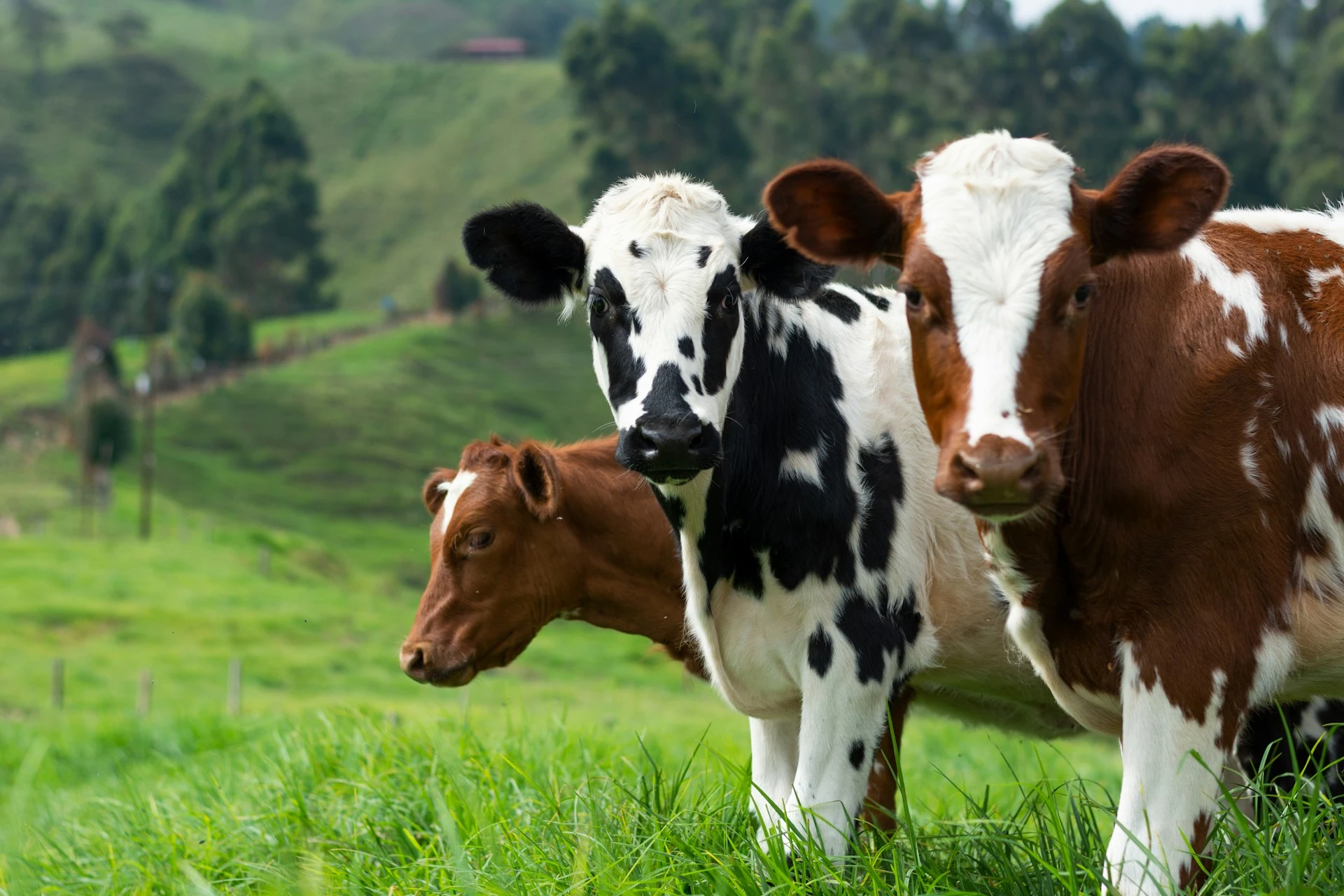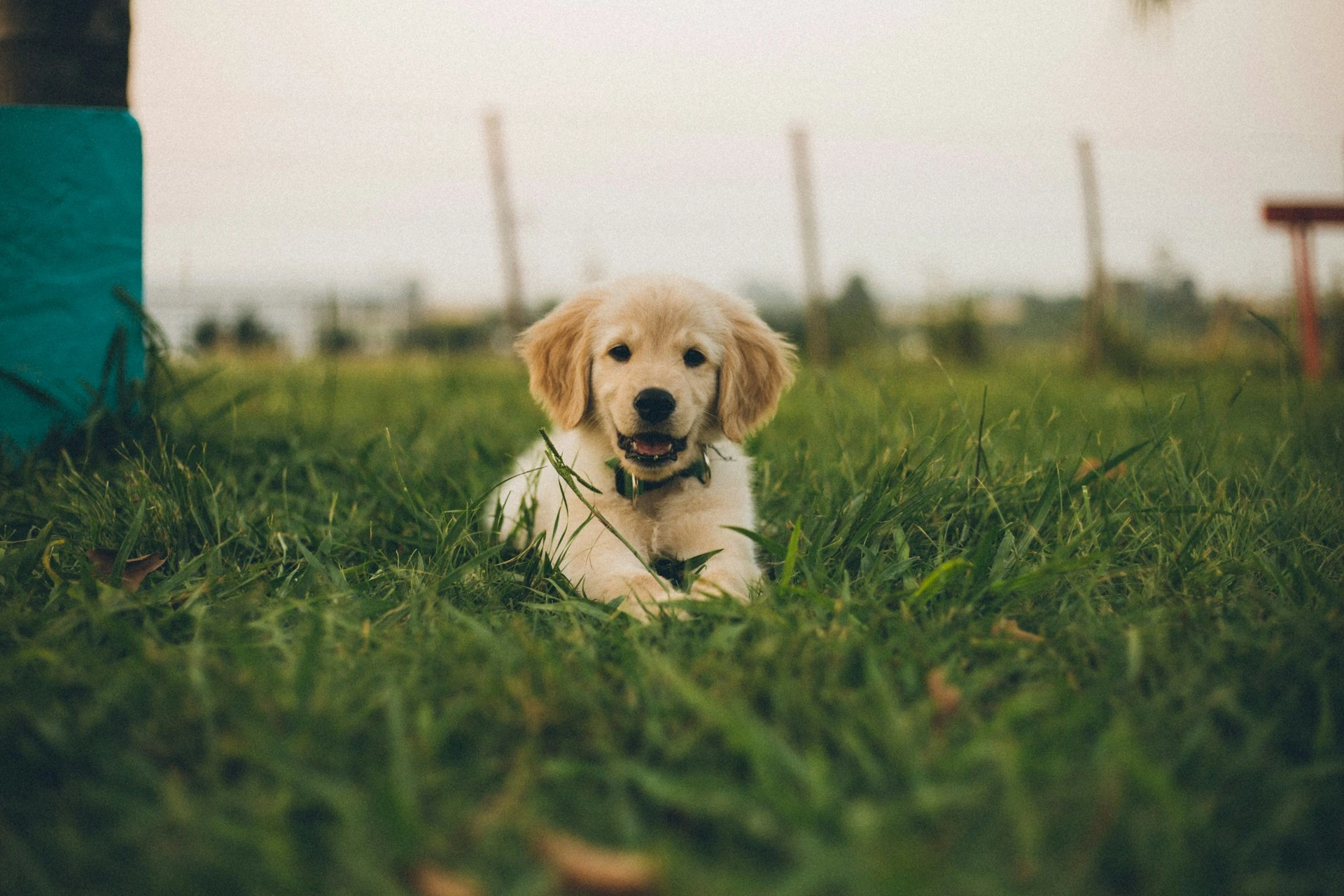

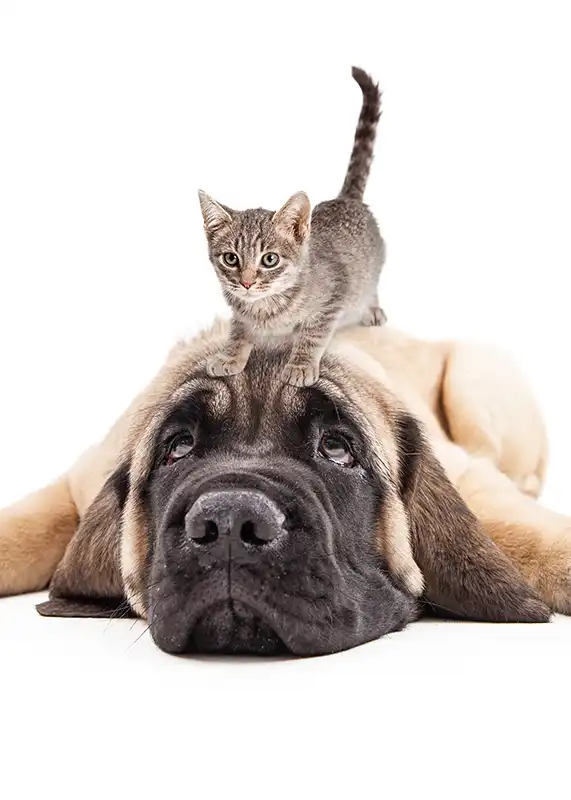

Severe weather can develop quickly, and while Neshoba County is well inland, hurricanes and tropical storms can still bring damaging winds, flooding, tornadoes, and extended power outages to central Mississippi. Preparing before a storm arrives gives you more options and helps reduce stress for every member of your family, including the four-legged, feathered, and hoofed ones. At Neshoba County Animal Hospital, your trusted Neshoba County, MS, veterinary clinic, we encourage hurricane preparedness for pets to help families protect their animals before severe weather becomes an emergency.
Whether you share your home with dogs and cats or care for horses, cattle, goats, or other farm animals, having a plan in place is one of the most valuable steps you can take. Understanding hurricane preparedness for pets, developing livestock emergency plans, practicing disaster preparedness for animals, and focusing on severe-weather pet safety can help you respond more confidently when storms threaten.
Why Prepare Before Hurricane Season?
The safest time to prepare is long before a weather alert is issued.
Waiting until the day before a storm often means competing for supplies, dealing with busy roads, and making rushed decisions. Planning allows you to gather essential items, identify safe locations, and review evacuation routes without unnecessary pressure.
Preparation also helps reduce stress for your animals. Pets and livestock often sense changes in routine and may become anxious when weather conditions worsen.
One helpful fact is that inland communities can experience significant impacts from hurricanes long after storms move away from the coast. Heavy rainfall, flash flooding, and tornadoes frequently affect areas many miles inland.
Build a Pet Emergency Kit
A well-stocked emergency kit makes evacuation or sheltering in place much easier.
For dogs and cats, consider including:
- Several days of food
- Fresh water
- Food and water bowls
- Medications
- Copies of medical records
- Vaccination records
- Recent photographs
- Leash and harness
- Secure carrier
- Waste disposal supplies
- Blankets or bedding
- Comfort items such as a favorite toy
Store everything together in a waterproof container whenever possible so it’s ready to grab if conditions change quickly.
Keep Identification Current
One of the biggest concerns during severe weather is pets becoming separated from their families.
Before storm season arrives:
- Confirm identification tags are readable.
- Check that collars fit properly.
- Keep current photographs of each pet.
- Review identification information with your veterinary clinic if needed.
Recent photographs showing your pet from several angles can be especially helpful if you become separated during an emergency.
Include Medications and Medical Information
If your furry friend has ongoing medical needs, don’t wait until a storm is approaching to refill prescriptions.
Keep an updated list that includes:
- Current medications
- Feeding instructions
- Medical conditions
- Allergies
- Your veterinarian’s contact information
- Emergency contact numbers
Having this information readily available makes it much easier to continue your pet’s care if normal routines are interrupted.
Plan for Livestock
Thoughtful livestock emergency planning requires additional preparation because larger animals cannot simply be placed in a carrier and transported at the last minute.
Review your property before storm season and identify:
- Higher ground if flooding develops
- Safe fencing
- Secure shelter options
- Reliable water sources
- Trailer availability
- Evacuation routes if relocation becomes necessary
If evacuation is part of your plan, practice loading horses and livestock before an emergency occurs. Waiting until severe weather is approaching may increase stress for both animals and handlers.
Prepare Trailers Before You Need Them
If you own horses or livestock, your trailer is one of your most valuable emergency tools.
Inspect it well before hurricane season by checking:
- Tires
- Lights
- Brakes
- Floor condition
- Hitch components
- Emergency equipment
Keeping your trailer in good working condition reduces delays if evacuation becomes necessary.
One interesting fact is that transportation becomes much more difficult as severe weather approaches because traffic increases and fuel supplies may become limited.
Know Where Your Animals Will Go
Every emergency plan should include a destination.
For household pets, identify hotels, family members, or boarding facilities that accept animals in case an evacuation becomes necessary.
For horses and livestock, locate fairgrounds, farms, or other approved facilities outside flood-prone areas well before hurricane season begins.
Having more than one option provides flexibility if your first choice becomes unavailable.
Don’t Leave Pets Behind
If conditions become unsafe for people, they are often unsafe for animals as well.
Pets should never be left behind during an evacuation because flooding, structural damage, loss of electricity, and limited access to food or water can quickly become life-threatening.
Whenever possible, evacuate together and transport pets in secure carriers or on sturdy leashes.
For livestock, decisions about sheltering in place or evacuation depend on many factors, including the property, available transportation, expected weather conditions, and guidance from local emergency officials.
What Should You Do During the Storm?
Once your family and animals are in a safe location, focus on keeping everyone as calm as possible.
For dogs and cats:
- Keep pets indoors in a secure room or shelter area.
- Leave collars and identification on unless safety concerns require otherwise.
- Keep cats inside their carriers if evacuation conditions remain unstable.
- Walk dogs only when it is safe to do so and always use a leash.
For horses and livestock, follow the emergency plan you developed before the storm. Continue monitoring conditions from a safe location, and never place yourself at risk trying to reach animals during dangerous weather.
Your pets may become anxious because they can hear thunder, strong winds, or unfamiliar noises. Speaking calmly and maintaining familiar routines whenever possible can help reduce stress.
After the Storm Passes
The danger doesn’t always end when the rain stops.
Storm damage may leave behind hazards such as:
- Downed power lines
- Floodwater
- Broken fencing
- Sharp debris
- Fallen trees
- Contaminated standing water
- Escaped wildlife
Before allowing pets or livestock back into their normal areas, carefully inspect the property for anything that could cause injury.
Walk your yard, pastures, and barns slowly, checking fences, gates, water sources, and shelters before turning animals loose.
One helpful fact is that displaced wildlife, including snakes and other animals, may seek shelter around homes and barns after severe weather. Staying alert during cleanup helps protect both people and animals.
Watch for Signs of Stress After Severe Weather
Even after the storm has passed, some animals remain anxious for several days.
Dogs and cats may show:
- Hiding
- Clinginess
- Reduced appetite
- Restlessness
- Changes in sleeping habits
- Increased vocalization
Livestock may appear reluctant to leave shelter, eat less than usual, or become more reactive to unfamiliar sounds.
Most animals gradually return to their normal routines once their environment stabilizes. Providing consistent feeding schedules, fresh water, and calm handling helps support that adjustment.
What if Your Pet Becomes Injured?
Storm-related injuries can happen in many different ways.
Cuts, puncture wounds, broken nails, eye injuries, and foot injuries may occur after walking through debris or damaged fencing.
Seek veterinary attention promptly if your pet develops:
- Difficulty walking
- Heavy bleeding
- Trouble breathing
- Eye injuries
- Persistent vomiting
- Collapse
- Significant swelling
- Signs of pain
For livestock, evaluate each animal carefully before returning them to regular turnout. Injuries that seem minor at first can worsen if they go unnoticed.
Practice Disaster Preparedness Throughout the Year
Good disaster preparedness for animals is not limited to hurricane season.
Review your emergency plan every year and update:
- Contact information
- Vaccination records
- Medication supplies
- Emergency kits
- Transportation plans
- Evacuation destinations
As your family, pets, or livestock change over time, your emergency plan should change with them.
Practicing your plan ahead of time also helps everyone respond more confidently if severe weather develops unexpectedly.
Chewy wrote an article about preparing your pet for a hurricane. The Red Cross also wrote about preparing your pet for major storms on its site.
Frequently Asked Questions
What should I include in a pet hurricane preparedness kit?
A good pet hurricane preparedness kit includes several days of food, fresh water, medications, medical records, identification information, a leash or carrier, food bowls, bedding, waste supplies, and recent photographs of your pet. Keeping these supplies together in advance allows you to evacuate quickly if severe weather develops.
Review your kit at least once a year to replace expired supplies and update medical information.
How can I prepare livestock for severe weather?
Good livestock emergency planning includes identifying higher ground, inspecting fences, preparing trailers, maintaining emergency feed and water supplies, and knowing where animals can be relocated if evacuation becomes necessary. Planning before hurricane season helps reduce stress when weather conditions change rapidly.
Your veterinarian can also provide guidance specific to your property and the types of animals you care for.
When should I contact my veterinarian after a storm?
You should contact your veterinarian if your pet or livestock has been injured, exposed to floodwater, develops difficulty breathing, refuses food, appears weak, or shows any unusual behavior after severe weather. Early evaluation allows injuries and illnesses to be identified before they become more serious.
If you’re unsure whether an animal needs medical attention, it’s always appropriate to call your veterinary team for guidance.
Visit Our Neshoba County, MS Veterinary Clinic Before Storm Season
Preparing today can make tomorrow’s emergency much less stressful for both you and your animals. Building a thoughtful pet hurricane preparedness plan, practicing it, and developing effective livestock emergency planning are valuable steps that help protect every member of your family when severe weather threatens. If you’ve been searching for a trusted Neshoba County, MS veterinary clinic or looking online for a “vet near me,” schedule a wellness appointment with Neshoba County Animal Hospital before storm season arrives. Our experienced veterinary team is here to help you prepare your pets and livestock for whatever Mississippi weather may bring.
This blog is intended for informational purposes only and should not replace professional veterinary advice. Always consult your veterinarian and follow local emergency management guidance when preparing for severe weather or caring for animals affected by storms.
If you are interested in learning more about our animal hospital, start by visiting our Service page. You’ll find more information on who we are and what we do. We provide a variety of services, including Wellness and Vaccines, Dentistry, Boarding and Grooming, and more.