Have you been hearing more about the New World screwworm lately and wondering whether it could affect your animals? At Neshoba County Animal Hospital, your Neshoba County, MS veterinary clinic, we share those concerns. Questions about the New World screwworm have increased as animal health officials continue monitoring recent detections in North America. Whether you care for cattle, horses, dogs, cats, or, like many of our clients, have a combination of farm and companion animals, understanding this parasite can help you recognize potential concerns and take practical steps to protect the animals that depend on you.
The New World screwworm has become a topic of conversation among veterinarians, livestock producers, and pet owners because of its ability to affect multiple species. Learning how the parasite spreads, recognizing warning signs, understanding risk factors, and knowing when to contact a veterinarian can help you make informed decisions for your livestock and furry companions. Awareness is the goal. Knowledge allows you to respond appropriately if concerns arise.
What Is the New World Screwworm?
The New World screwworm is the larval stage of a fly known as Cochliomyia hominivorax. Unlike many common fly larvae that feed on dead tissue or decaying material, screwworm larvae develop in living tissue.
Adult female flies are attracted to wounds and areas of damaged skin. After the eggs are laid near a wound, the larvae hatch and develop within the affected area. This unique life cycle is what makes the parasite a concern for veterinarians, ranchers, and animal owners.
Historically, the New World screwworm caused significant problems throughout parts of the United States before a successful eradication effort eliminated it from the country. Recent detections in Mexico and confirmed cases in Texas have renewed awareness among animal health professionals nationwide.
Why Are Mississippi Veterinarians Paying Attention?
The New World screwworm is one of the most costly livestock parasites in North America. Decades ago, infestations affected cattle, horses, sheep, goats, wildlife, and companion animals throughout the southern United States.
A highly successful eradication program using sterile male flies dramatically reduced the population and ultimately eliminated the parasite from the United States. The program remains one of the greatest achievements in veterinary and agricultural history.
Recent detections near the southern border have prompted increased surveillance and monitoring efforts. Animal health officials are working proactively to identify cases quickly and reduce opportunities for wider spread.
The current situation does not mean every animal owner should panic. It does mean that staying informed is worthwhile.
Which Animals Can Be Affected?
One reason the New World screwworm receives so much attention is the wide variety of animals it can affect.
Cattle
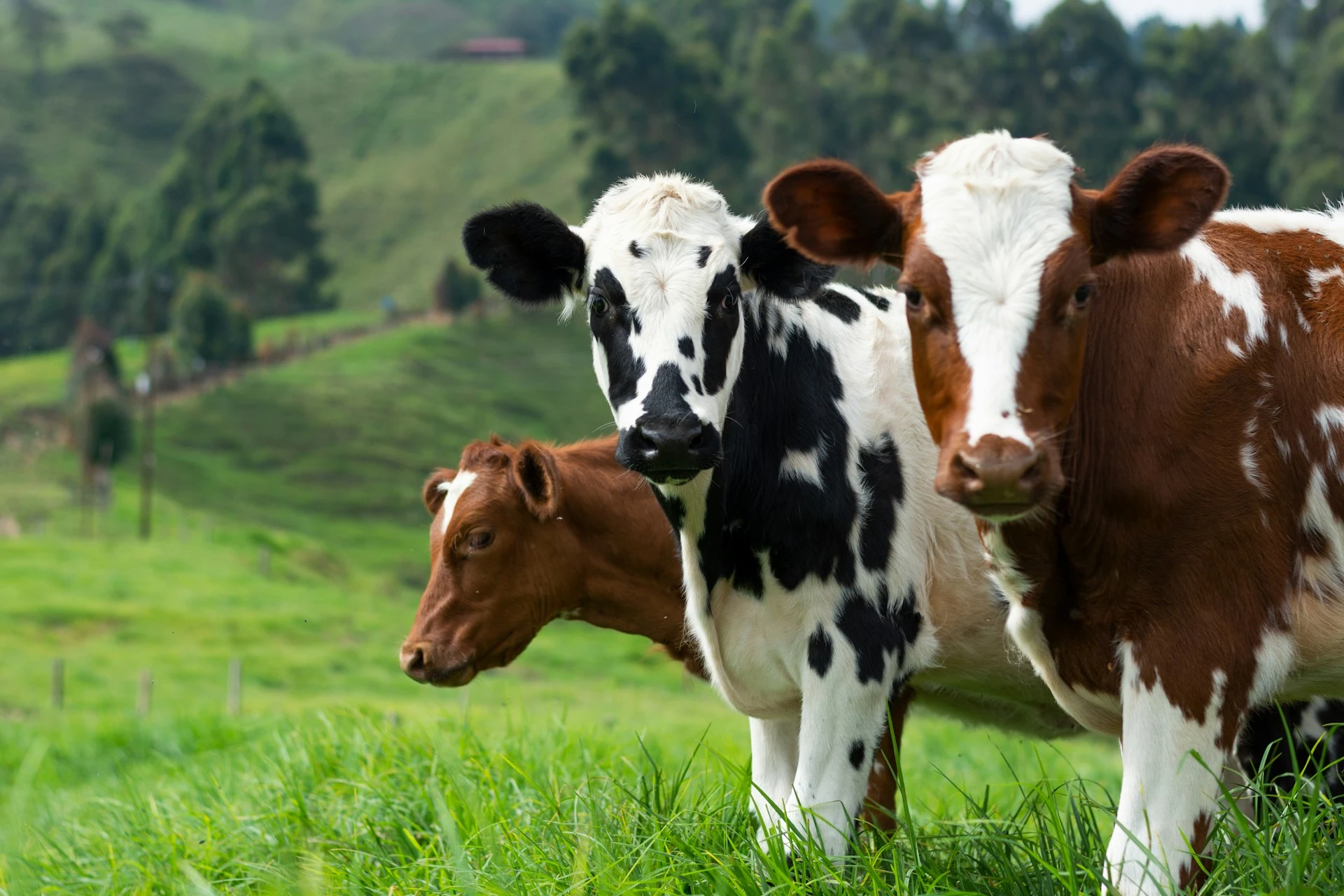
Cattle remain a primary concern in screwworm discussions.
Potential risk factors include:
- Branding sites
- Ear tag locations
- Castration sites
- Calving-related injuries
- Fence wounds
- Tick bite reactions
Because cattle operations often involve large numbers of animals, routine monitoring is especially important.
Horses
Horses can also be vulnerable when they sustain wounds.
Even active, healthy horses occasionally experience:
- Minor cuts
- Scrapes
- Insect-related irritation
- Surgical incisions
Routine inspections help identify concerns before they become more significant.
Dogs
Your canine companion may face risks when wounds, hot spots, or skin irritation are present.
Dogs that spend time outdoors, accompany owners on farms, or participate in hunting and working activities may experience more opportunities for skin injuries.
Regular skin checks help identify issues early.
Cats
Outdoor cats naturally explore fences, brush, barns, and other areas where minor injuries may occur.
Because cats are often masters at hiding discomfort, monitoring your feline friend closely can be helpful.
Other Animals
Sheep, goats, wildlife, and even certain exotic species can potentially be affected. In an infestation, even a minor scrape can increase risk.
This broad host range explains why veterinarians and agricultural professionals continue monitoring developments closely.
How Do Animals Get Screwworms?
The New World screwworm depends on access to damaged skin or wounds.
The fly does not randomly target healthy, uninjured animals. Instead, female flies seek out vulnerable areas where eggs can be deposited.
Common opportunities include:
- Cuts
- Scrapes
- Surgical sites
- Skin infections
- Tick bite reactions
- Hot spots
- Umbilical areas in newborn livestock
This relationship between wounds and screwworms highlights the importance of wound management for both livestock and pets.
What Signs Should You Watch For?
One of the most common questions animal owners ask is how to recognize a potential problem.
Wounds That Are Not Healing Normally
Most wounds improve gradually over time.
If a wound appears to enlarge, become more irritated, or become increasingly inflamed, veterinary evaluation may be appropriate.
Changes in healing often provide important clues.
Excessive Attention to a Wound
Animals frequently focus on areas that feel uncomfortable.
You may notice:
- Licking
- Chewing
- Scratching
- Rubbing
Behavioral changes often indicate irritation or discomfort.
Swelling and Drainage
While some inflammation can be part of normal healing, excessive swelling or unusual drainage deserves attention.
Prompt evaluation can help identify the cause.
Changes in Activity
Animals experiencing discomfort may become:
- Less active
- Less interested in food
- More sensitive to touch
- Less willing to move
These signs are not specific to screwworms but may indicate the need for veterinary care.
Why Wound Management Is So Important
One of the biggest lessons from the current New World screwworm discussion is the value of proper wound care.
Whether you own a herd of cattle or a single dog, monitoring wounds supports healing and helps identify problems early.
Check Wounds Regularly
Daily observation provides valuable information.
Look for:
- Redness
- Swelling
- Drainage
- Delayed healing
- Changes in appearance
A few moments of observation can help you quickly recognize concerns.
Follow Veterinary Recommendations
If an animal receives treatment for a wound, follow all instructions carefully.
Monitoring healing progress and communicating with your veterinary team are key.
Address Skin Conditions Promptly
Hot spots, allergies, skin infections, and chronic irritation can create opportunities for complications. Keeping up with preventative care can go a long way.
Early treatment helps improve comfort and supports healthy skin.
What Livestock Producers Should Know
Livestock producers play an important role in monitoring animal health.
Routine herd inspections become especially valuable during outbreaks. Even increased awareness about screwworm activity can make a huge difference.
Pay particular attention to:
- Newborn animals
- Recently processed cattle
- Animals recovering from injury
- Surgical sites
- Areas affected by insect bites
Maintaining good records and observing animals regularly can help identify concerns before they affect larger portions of the herd.
What Pet Owners Should Know
Companion animal owners should approach the situation similarly.
The current focus on screwworms serves as a reminder that routine skin checks are beneficial for dogs and cats.
Take a few minutes during grooming or cuddle time to inspect:
- Ears
- Paws
- Belly
- Skin folds
- Tail area
- Areas beneath thick fur
These simple checks often reveal concerns before they become more significant.
Are Screwworm Cases Common in Mississippi?
At this time, screwworm infestations are not confirmed in Mississippi.
However, animal health officials and veterinarians continue to monitor developments closely due to detections in nearby regions.
The goal of increased awareness is early identification and rapid response should concerns arise.
Staying informed allows you to make sensible decisions without unnecessary worry.
What Is Being Done to Prevent Spread?
Several organizations continue working together to monitor the situation.
These include:
- United States Department of Agriculture (USDA)
- Centers for Disease Control and Prevention (CDC)
- State animal health agencies
- Veterinary organizations
- Agricultural groups
Monitoring efforts include surveillance, education, reporting, and rapid response planning.
The same scientific principles that helped eliminate screwworm from the United States remain valuable today.
The CDC has a downloadable PDF about symptoms caused by the New World Screwworm. You can also monitor the government’s response on the USDA’s screwworm.gov page. The University of Minnesota also has a helpful piece on protecting pets from the screwworm. You may also be interested to know that the FDA just approved an OTC medication to treat screwworm infestations in pets.
Frequently Asked Questions
What is the New World screwworm?
The New World screwworm is the larval stage of the fly Cochliomyia hominivorax. The parasite develops in living tissue and can affect livestock, horses, pets, wildlife, and other animals when wounds are present.
Can dogs and cats get screwworm infestations?
Yes. Dogs and cats can be affected if wounds, damaged skin, or other vulnerable areas are present. Prompt wound care and veterinary attention help reduce risks.
Are cattle at higher risk than pets?
Cattle often receive more attention because of their herd size and common management practices that may cause wounds. However, both livestock and companion animals can be affected.
What should I do if I find an unusual-looking wound?
Contact your veterinarian for guidance. Wounds that worsen instead of improve, develop excessive swelling, or show delayed healing should be evaluated professionally.
Is the New World screwworm currently widespread in Mississippi?
No. Animal health officials continue monitoring the situation closely, but widespread infestations are not currently occurring in Mississippi.
Schedule an Appointment at Our Neshoba County, MS Veterinary Clinic
Understanding the New World screwworm helps you stay informed about an important animal health issue affecting livestock producers and pet owners alike. At Neshoba County Animal Hospital in Neshoba County, MS, veterinary care is available for cattle, horses, dogs, cats, pocket pets, and other farm animals. If you have concerns about a wound, skin condition, or your animal’s overall health, schedule an appointment with a veterinarian today.
Are you searching online for a “vet near me” in Neshoba County, MS? Contact Neshoba County Animal Hospital to schedule a visit and learn more about the veterinary services available for both companion animals and livestock. From wellness care and vaccinations to surgery and farm-animal medicine, our veterinary clinic is here to help support the health of your animals.
This blog is intended for informational purposes only. Always consult your veterinarian for guidance regarding diagnosis, treatment, wound care, and preventive health recommendations for your animals. Follow your veterinarian’s advice regarding the care of livestock, horses, pets, and other animals under your supervision.
To learn more about our Neshoba County, MS animal clinic, start by visiting our Services page for a great overview of who we are and what we do. We offer a range of services, including Wellness and Vaccinations, Surgery, and more. Please feel free to contact us anytime!