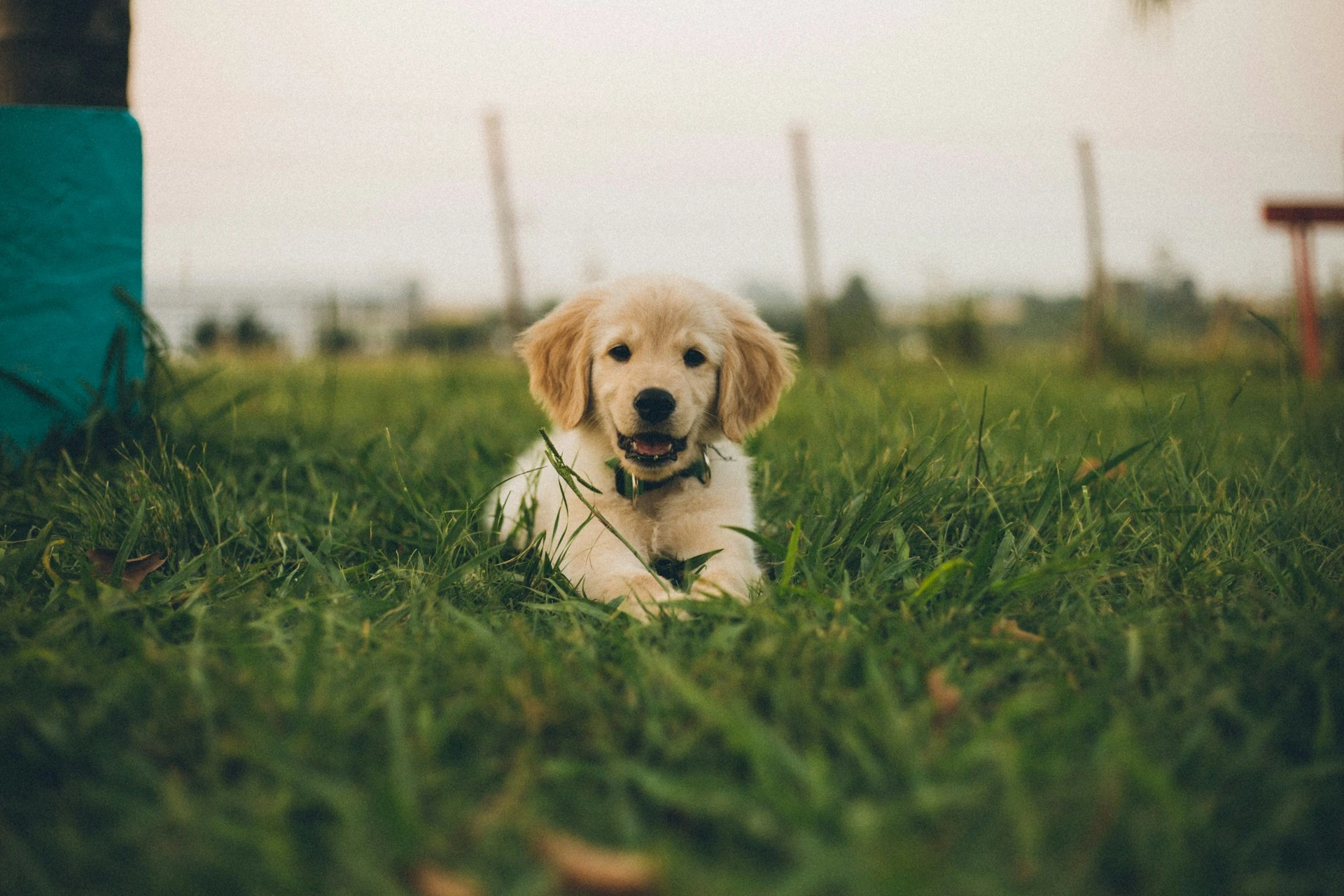



One minute, your new puppy is curled up beside you, and the next, they’re happily gnawing on a shoe, table leg, or television remote. If your canine companion seems determined to sample everything within reach, you’re certainly not alone. At Neshoba County Animal Hospital, your trusted Philadelphia, MS veterinary clinic, questions about puppy chewing often begin shortly after a new furry family member comes home … and starts gnawing on everything. While chewing is a completely normal part of growing up, learning how to redirect it can save both your belongings and your puppy from unnecessary trouble.
Understanding how to stop puppy chewing starts with knowing why puppies chew in the first place. From normal puppy teething behavior to boredom and curiosity, there are several reasons behind those tiny teeth. This guide explains the causes of destructive chewing in puppies and shares practical puppy training tips that help your furry bestie learn what belongs in their mouth and what doesn’t.
Why Do Puppies Chew So Much?
Chewing is a natural behavior that helps puppies explore the world around them. Unlike people, dogs learn a great deal through their mouths. Every new texture, smell, and object becomes an opportunity to investigate.
Young puppies are also developing jaw muscles, practicing normal canine behaviors, and relieving discomfort as their adult teeth begin to replace their baby teeth. What may look like mischief is often simply part of healthy development.
Although chewing is normal, the goal is to teach your puppy what is appropriate to chew rather than trying to stop the behavior altogether.
Puppy Teething Behavior Is Completely Normal
Most puppies begin losing their baby teeth at around three to four months of age. Adult teeth continue to come in over the next several months, which often makes the gums sore and sensitive.
During this stage, puppy teething behavior usually becomes much more noticeable.
Your pup may:
- Chew furniture legs
- Bite blankets
- Mouth your hands
- Gnaw on shoes
- Pick up sticks outdoors
- Chew toys more aggressively than before
This phase doesn’t last forever, but it does require patience. Providing appropriate chew items helps satisfy your puppy’s natural urge while protecting household belongings.
An interesting fact is that puppies have 28 baby teeth before eventually developing 42 permanent adult teeth. That’s a lot of dental changes happening in a relatively short period.
Not All Puppy Chewing Is About Teething
Although teething is a major reason for chewing, it isn’t the only one.
Your canine buddy may also chew because they are:
- Curious about unfamiliar objects
- Looking for entertainment
- Burning excess energy
- Feeling anxious
- Seeking attention
- Exploring new scents
Dogs are intelligent animals that benefit from both physical exercise and mental stimulation. A bored puppy often creates their own activities, and unfortunately, those activities sometimes involve your favorite belongings.
Daily walks, age-appropriate play sessions, short training exercises, and food enrichment activities all help reduce boredom that contributes to destructive chewing in puppies.
How to Stop Puppy Chewing Before It Becomes a Habit
Learning how to stop puppy chewing is less about punishment and more about consistent guidance.
When you catch your puppy chewing something inappropriate, calmly interrupt the behavior and immediately offer an acceptable alternative. Praising your puppy when they choose the correct item teaches them which choices earn positive attention.
Consistency is the key. Every family member should respond the same way so your puppy receives clear, predictable messages.
Management is equally important. Shoes, children’s toys, electrical cords, laundry, and other tempting objects should be kept out of reach whenever possible. Puppies cannot chew what they cannot access.
Preventing mistakes while your puppy is learning makes training much easier than trying to correct unwanted habits later.
Puppy-Proofing Your Home Makes Training Easier
Creating a safe environment benefits both your puppy and your family.
Look around each room from your puppy’s perspective. Objects that seem uninteresting to you may appear fascinating to a curious young dog.
Common household hazards include:
- Electrical cords
- Remote controls
- Eyeglasses
- Children’s toys
- Houseplants
- Socks
- Medication bottles
- Trash cans
Using baby gates, exercise pens, or crates when direct supervision isn’t possible helps prevent accidents and supports successful training.
Remember that puppies are much like toddlers. Close supervision allows you to redirect inappropriate chewing before it becomes a rewarding activity.
Exercise Helps Reduce Destructive Chewing in Puppies
A tired puppy often makes better decisions than one with endless energy.
Regular exercise appropriate for your puppy’s age provides an outlet for physical activity while supporting healthy growth and development. Short walks, gentle games of fetch, scent games, and supervised play all contribute to a happier, more relaxed puppy.
Mental exercise is just as valuable. Teaching simple cues like “sit,” “down,” “come,” and “leave it” encourages your puppy to think and problem-solve. These early puppy training tips also strengthen the bond between you and your furry friend while building good manners that last into adulthood.
Should You Punish Your Puppy for Chewing?
It can be frustrating to discover a chewed-up shoe or damaged furniture, but punishment is rarely an effective solution. Puppies do not connect being scolded after the fact with something they chewed minutes or hours earlier. Instead, they often learn that people can be unpredictable, which may make training more difficult.
Positive reinforcement works much better. When your puppy chooses an appropriate chew toy, offer praise, gentle affection, or another reward. This helps your canine companion understand which behaviors you want to see repeated.
If you catch your pup chewing something off-limits, calmly remove the object and replace it with an acceptable alternative. Redirecting the behavior teaches your puppy what they can chew, rather than simply telling them what they cannot chew.
When Does Puppy Chewing Become a Problem?
Most puppy chewing is a normal part of development, but there are times when it deserves closer attention.
Contact your veterinarian if your puppy:
- Swallows pieces of toys, fabric, or other objects
- Chews rocks, dirt, or non-food items repeatedly
- Damages teeth while chewing
- Suddenly begins chewing much more than usual
- Stops eating because of mouth pain
- Has bleeding gums or a foul odor from the mouth
Some chewing behaviors can increase the risk of intestinal blockages, broken teeth, or poisoning if inappropriate objects are swallowed. Prompt veterinary care may prevent much more serious complications.
A useful fact is that puppies can become surprisingly creative when looking for something to chew. Items left on counters, inside open purses, or even hanging from tables may suddenly become fair game for a curious four-legged buddy.
Choosing Safe Chewing Habits
Not everything marketed for dogs is appropriate for every puppy. Young teeth and developing jaws need items that are durable enough to satisfy chewing but not so hard that they risk damaging permanent teeth.
If a chew item becomes cracked, splintered, or small enough to swallow, replace it promptly. Regularly inspecting your puppy’s toys also helps reduce the chance of accidental choking.
Rotating toys every few days can also make familiar items seem new again. This simple trick helps keep your puppy interested without constantly introducing new toys.
Building Good Habits Through Daily Training
The best puppy training tips are often the simplest ones repeated consistently.
Short training sessions throughout the day help puppies learn more effectively than one long session. Young dogs have short attention spans, so keeping lessons fun and positive encourages continued learning.
In addition to redirecting chewing, teach cues that improve everyday safety, including:
- Leave it
- Drop it
- Come
- Sit
- Stay
These foundational skills can help prevent dangerous situations later in life, especially if your puppy picks up something they shouldn’t have while outdoors.
Training also provides valuable mental stimulation. A puppy that spends time learning new skills often has less energy available for unwanted chewing.
How Long Does Puppy Chewing Last?
Most puppies chew the most while adult teeth are coming in, usually between three and seven months of age. That doesn’t mean chewing disappears overnight, however.
Many young dogs continue exploring objects with their mouths throughout adolescence as they mature mentally and physically. With consistent guidance, supervision, and appropriate outlets, the intensity of chewing typically decreases over time.
Every puppy develops at a slightly different pace. Larger breeds may mature more slowly than smaller breeds, so patience is an important part of the process.
Remember that your puppy is learning every single day. The habits you build now often become the behaviors your canine companion carries into adulthood.
Humane World has an article on chewing in dogs. The ASPCA also has a post on dogs’ chewing habits.
Frequently Asked Questions
Is puppy chewing normal?
Yes. Puppy chewing is a completely normal part of development. Puppies use their mouths to explore their surroundings, relieve teething discomfort, and strengthen their jaws. Redirecting chewing toward appropriate items helps teach good habits while protecting your home and your puppy.
Chewing itself is not the problem. The goal is to help your puppy understand which objects are acceptable and to prevent access to unsafe or valuable household items.
How can I stop my puppy from chewing everything?
Learning how to stop puppy chewing starts with supervision, redirection, regular exercise, and consistent training. Remove tempting objects, provide appropriate chew items, and praise your puppy whenever they make good choices.
Avoid punishing after the fact, because puppies cannot connect delayed corrections to earlier behavior. Positive reinforcement builds confidence and encourages faster learning.
When should I worry about destructive chewing in puppies?
Destructive chewing in puppies becomes concerning if your puppy swallows objects, damages teeth, suddenly increases chewing, or begins chewing non-food items repeatedly. These situations may indicate a medical or behavioral concern that deserves veterinary attention.
If you’re unsure whether your puppy’s chewing is normal, your veterinarian can evaluate your pup’s teeth, overall health, and behavior to determine whether additional guidance is needed.
Visit Our Philadelphia, MS Veterinary Clinic for Puppy Care and Training Advice
Watching your puppy grow is one of the most rewarding parts of pet ownership, even if a few shoes or chair legs become unexpected casualties along the way. Understanding puppy chewing, recognizing normal puppy teething behavior, and using positive puppy training tips can help your furry friend develop lifelong habits that benefit your entire family. If you’ve been searching for a trusted Philadelphia, MS veterinary clinic or looking online for a “vet near me,” schedule an appointment with Neshoba County Animal Hospital. Our veterinary team is here to help your new canine companion get off to a happy, healthy start.
This blog is intended for informational purposes only and should not replace professional veterinary advice. Always consult your veterinarian for an accurate diagnosis, treatment recommendations, and the best care plan for your pet.
If you are interested in learning more about our animal hospital, start by visiting our Service page. You’ll find more information on who we are and what we do. We provide a variety of services, including Wellness and Vaccines, Dentistry, Boarding and Grooming, and more.